Summary of "You're Being Secretly Influenced to Waste Food"
Summary of Key Points and Strategies from “You’re Being Secretly Influenced to Waste Food”
Key Wellness & Productivity Insights on Reducing Food Waste
Understanding Food Waste Scale and Impact
- Approximately 2.5 billion tons of food are wasted globally each year.
- Food waste contributes 8-10% of global greenhouse gas emissions—surpassing emissions from the aviation sector.
- Household food waste is the largest contributor, responsible for 61% of global food waste.
- Countries like the US, Canada, and Australia waste disproportionately more food compared to many European nations.
- Food waste carries significant economic and environmental costs worldwide.
Root Causes of Food Waste in Households
-
Psychology of Value and Overbuying
- Supermarkets promote bulk buying through deals such as “buy 1 get 1 free” and provide larger shopping carts, encouraging over-purchasing.
- Refrigerators are often larger than needed for average families, leading to food being stored and forgotten until it spoils.
- Consumers buy more food to feel secure and to provide abundantly for their families.
-
Confusing Food Date Labels
- Labels like “best by,” “sell by,” and “use by” are frequently misunderstood as strict safety deadlines rather than indicators of quality.
- This confusion accounts for 10-20% of consumer food waste.
- Labeling practices vary widely and tend to be conservative, influenced by liability concerns or economic incentives.
Solutions and Strategies to Reduce Food Waste
-
Policy and Retailer Involvement
- The US Good Samaritan Food Donation Act reduces liability for stores donating edible food.
- France’s law banning grocery store food waste mandates donation of edible food, reducing waste by 10-13% and increasing donations by 20-22%.
-
Standardizing and Simplifying Food Labels
- The EU and UK use two clear labels:
- Use By: Safety-related, for perishable items.
- Best Before: Quality-related; food is often safe to consume after this date.
- Consumer education campaigns encourage trusting senses (smell, look, taste) over date labels.
- The EU and UK use two clear labels:
-
Making Composting Easy and Mandatory
- Countries like Germany have convenient organic waste collection and composting systems.
- Composting diverts 15-20% of household waste from landfills, converting it into compost or bioenergy.
-
Shopping Locally and More Frequently
- Purchasing from local farmers markets and shops reduces transportation, spoilage, and overstocking.
- Smaller, more frequent purchases increase the likelihood that food is consumed before spoiling.
-
Design and Default Settings Matter
- Larger shopping carts, refrigerators, and packaging encourage excess buying and waste.
- Changing these defaults can reshape consumer behavior and reduce waste.
Additional Recommendations
- Support conservation and sustainability efforts through community engagement platforms like Planet Wild, which fund real-world environmental projects.
- Recognize that food waste is a systemic issue influenced by culture, economics, and design—not simply individual moral failings.
Practical Tips for Individuals to Reduce Food Waste
- Shop with a smaller cart or basket to avoid overbuying.
- Buy smaller quantities more frequently, especially fresh produce.
- Trust your senses (smell, look, taste) to assess food safety rather than relying solely on date labels.
- Support local food producers to reduce supply chain waste.
- Compost organic food scraps if facilities are available.
- Donate excess edible food when possible.
- Be mindful of portion sizes and manage leftovers carefully.
Presenters / Sources
- Video presenter (unnamed, possibly Ashton based on promo code)
- Martin Lindström (marketing consultant cited)
- Harvard Food Law and Policy Clinic (study on date labeling)
- United Nations Environment Program (food waste data)
- EU Refresh Campaign (consumer education on food labels)
- Planet Wild (conservation organization featured)
Category
Wellness and Self-Improvement
Share this summary


Featured Products

Food Waste Log Book: Track Food Loss, Cost, and Waste Reasons | Inventory Waste Management Record Keeper for Restaurants, Cafeterias, Food Trucks & Kitchens | 8.5" x 11" | 100+ Pages
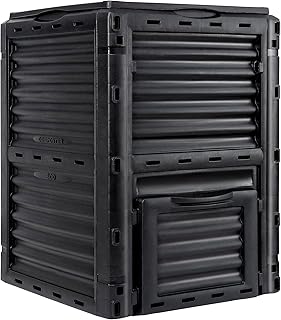
JupiterForce Garden Compost Bin 80 Gallon (300 L) from BPA Free Material, Large Composting Bin Outdoor Composter, Easy Assembling, Fast Creation of Fertile Soil, Lightweight, Black

OUTXE Beginner-Friendly Diabetes Food List and Meal Planner, Laminated Diabetic Food Guide Chart | Healthy Mediterranean Diet | Low Carb | Glycemic Index | for Pre Type 1 2 Adults (Food List)

DMI Utility Cart with Wheels to be used for Shopping, Grocery, Laundry and Stair Climber Cart, Weighs 7.5 Pounds but holds up to 90 Pounds, Compact and Foldable, Black

30 Pack Natural Pulp Fiber Berry Basket,Small Molded Produce Vented Basket Kitchen Supplies for Strawberry Blueberry Raspberry, Fruit Tray for Fruit Vegetable Farmer Market Grocery (Small)
Is the summary off?
If you think the summary is inaccurate, you can reprocess it with the latest model.
Preparing reprocess...