Summary of "Video 4 NA: What are “contextual factors”?"
Summary of Video 4 NA: What are “contextual factors”?
Main Ideas and Concepts
Definition of Contextual Factors: Contextual factors are elements related to a person or their environment that can either positively or negatively impact their daily functioning. The International Classification of Functioning, Disability and Health (ICF) categorizes these into:
- Personal factors: Individual characteristics such as age, personality, beliefs, education, and gender.
- Environmental factors: External elements like physical surroundings, social environment, infrastructure accessibility, and societal attitudes.
Influence of Contextual Factors on Functioning: These factors can either hinder or support a child’s ability to function and participate in daily activities, affecting overall development and quality of life.
Case Study: Sarah’s Story
Sarah has cerebral palsy, with weak leg and back muscles and speech impairment, which affect her mobility and communication. Two scenarios illustrate how contextual factors impact her life:
1. Challenging Contextual Factors (Negative Impact)
- Parents’ feelings of shame or guilt about Sarah’s disability, possibly intensified by societal stigma.
- Financial constraints limiting access to healthcare.
- Lack of professional health support leads to Sarah being confined at home, missing social activities like school and play.
- Resulting stress and poor mental health for the family.
- Overall, these negative factors hinder Sarah’s development and reduce quality of life for her and her family.
2. Positive Contextual Factors (Supportive Impact)
- Sarah’s enthusiasm and desire to attend school.
- Optimistic parents seeking therapy and professional support.
- Multidisciplinary healthcare involvement:
- Therapist provides mobility aids (e.g., wheelchair).
- Referrals to occupational therapist, counselor, social worker, and speech therapist for holistic support.
- Occupational therapist helps modify home for accessibility.
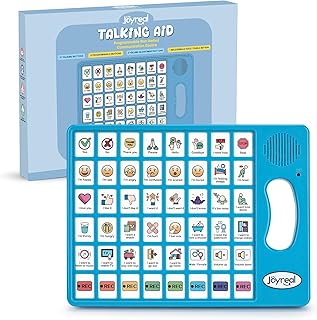
- Speech therapist provides communication aids (e.g., computer talker).
- School accommodations: accessible transport, infrastructure, classroom aid, and supportive teachers, friends, and staff.
- Community advocacy for accessible roads and services.
- Government role in financial support and enforcing accessibility laws.
- Media’s role in raising awareness about cerebral palsy.
These positive factors enable Sarah to participate fully, develop meaningfully, and improve quality of life for her and her family.
Detailed Methodology / Instructions
(How contextual factors influence functioning and support)
- Identify personal factors affecting the individual (age, personality, beliefs, education, gender).
- Identify environmental factors affecting the individual (physical environment, social attitudes, infrastructure).
- Assess how negative factors (e.g., stigma, financial hardship, lack of support) limit participation and development.
- Promote positive factors by:
- Encouraging family optimism and proactive health-seeking behavior.
- Utilizing a multidisciplinary team (therapist, occupational therapist, speech therapist, counselor, social worker).
- Providing assistive devices (wheelchair, communication aids).
- Modifying home and school environments for accessibility.
- Ensuring school and community support (inclusive attitudes, accessible transport and infrastructure).
- Advocating for government policies and financial assistance.
- Leveraging media to raise public awareness and reduce stigma.
- Monitor and support emotional well-being of both the child and family.
Speakers / Sources Featured
- Narrator / Presenter: Explains the concept of contextual factors and introduces Sarah’s story.
- Sarah: The child with cerebral palsy (case study subject).
- Sarah’s Parents: Represent family perspectives and emotional context.
- Healthcare Professionals: Therapist, Occupational Therapist, Speech Therapist, Counselor, Social Worker as part of the support network.
- School Staff: Teachers and aides providing educational and social support.
- Community and Government Representatives: Advocates and enforcers of accessibility and support services.
- Media Services: Tools for awareness and education.
This video emphasizes the critical role that both personal and environmental contextual factors play in enabling or limiting the participation and development of children with disabilities. Using Sarah’s example, it illustrates how supportive environments and services can foster meaningful inclusion and improved quality of life.
Category
Educational
Share this summary


Featured Products



Is the summary off?
If you think the summary is inaccurate, you can reprocess it with the latest model.