Summary of "Enfermería U2 C2 2"
Summary of “Enfermería U2 C2 2”
This video is a nursing educational session focusing on infection prevention methods in healthcare environments, emphasizing the importance of biosafety to protect healthcare workers and patients from biological risks. The content outlines key practices and procedures to minimize exposure to infectious agents, particularly in nursing care settings.
Main Ideas and Concepts
Healthcare Environments and Biological Risks
- Healthcare settings involve direct care during health and disease.
- Healthcare workers face exposure to biological agents causing infections or health damage.
- Recognizing and preventing these risks is essential for safety.
Biosafety
- Defined as norms, standards, and procedures to control risk factors.
- Aims to prevent harmful impacts by reducing exposure to hazardous agents.
- Nursing staff must follow safe work practices to minimize biological risk.
Infection Prevention Measures Covered
-
- Critical for controlling healthcare-associated infections.
- Three types of hand hygiene compounds:
- Medicated soap: Removes dirt and transient microbiota through friction and rinsing.
- Antiseptic soap: Clinical washing ensuring all hand areas are cleaned thoroughly.
- Alcohol-based compounds: Contain 60-95% alcohol, eliminate transient microbiota, fast-acting, non-toxic, dry quickly.
- Proper Hand Washing Steps (WHO recommended):
- Moisten hands with water.
- Apply enough soap to cover hands.
- Rub palms together.
- Rub palm of right hand over back of left with fingers interlaced, repeat for opposite hand.
- Rub palms with fingers interlaced.
- Rub backs of fingers against opposite palm.
- Rub thumb in rotating motion with opposite palm.
- Rub fingertips in rotating motion on opposite palm.
- Rinse hands with water.
- Dry with disposable towel.
- Use towel to turn off tap.
- Hands are safe.
- Hand hygiene moments (WHO):
- Before touching a patient
- Before clean/aseptic task
- After risk of exposure to body fluids
- After touching a patient
- After touching patient surroundings
-
Prevention of Accidents with Sharp Items
- Risk of infection from needles, scalpels contaminated with blood or fluids.
- Prevention measures include:
- Use gloves after hand hygiene.
- Handle instruments safely.
- Separate and dispose of sharps safely.
-
Cleaning, Disinfection, and Hygiene
- Cleaning: Use soap/water or chemical cleaners to remove visible dirt and germs.
- Disinfection: Use chemical agents to reduce germs on clean surfaces to safe levels.
- Sterilization: Destroy all forms of microbial life, especially infectious agents.
- These processes vary based on microorganism type and contamination risk.
-
Use of Personal Protective Equipment (PPE)
- PPE protects healthcare workers from biological hazards.
- Common PPE includes caps, disposable gowns, respiratory masks, eye protection, and gloves.
- Specialized areas (surgery, ICU) may require additional PPE.
- Selection criteria depend on:
- Type and duration of exposure
- Nature of patient interaction
- Task convenience
- Proper sizing for the user
-
Vaccination
- Vaccines induce immunity by stimulating antibody production.
- Recommended for workers exposed to biological agents.
- Vaccination reduces risks of infectious and parasitic diseases.
Contextual Relevance
- Infection prevention became critically important during the COVID-19 pandemic.
- Measures such as hand hygiene, mask use, surface cleaning, and isolation helped mitigate virus spread.
- These practices continue to be essential in healthcare to prevent transmission of various infectious agents.
Conclusion and Interactive Component
- Identifying biological hazards allows integration of appropriate prevention and risk reduction methods.
- Adherence to clinical infection prevention practices safeguards nurses and patients.
- The video ends with a practical scenario asking learners to apply prevention measures in a hospital setting, encouraging reflection and peer discussion.
Speakers and Sources Featured
- Primary Speaker: Unnamed instructor from the Dutin Academy nursing course.
- Referenced Organization: World Health Organization (WHO) – for hand hygiene guidelines and vaccination definitions.
End of Summary
Category
Educational
Share this summary


Featured Products

Primacare DS-9199 Nurse Essentials Starter Kit – Adult Aneroid Sphygmomanometer, Classic Stethoscope & Mini Diagnostic Otoscope with Travel Case

TrelaCo 20 Pack Isolation Gowns Disposable with Thumb Loops, Waist Ties, Sleeves, x Large 46 Inch Waterproof Cpe Blue Odorless PPE Disposable Gowns for Home Women Men Unisex Adult Labs (Blue)

Professional Disposables Surface Disinfectant Super Sani-Cloth Wipes, 160Count
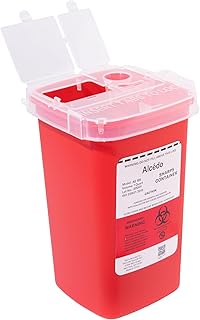
Alcedo Sharps Container for Home Use 1 Quart (1-Pack) | Biohazard Needle and Syringe Disposal | Small Portable Container for Travel and Professional Use
Is the summary off?
If you think the summary is inaccurate, you can reprocess it with the latest model.
Preparing reprocess...