Summary of "Chp 39 Vehicle Extrication and Special Rescue"
Summary of Chapter 39: Vehicle Extrication and Special Rescue
This chapter provides a comprehensive overview of vehicle extrication and special rescue operations, focusing on the roles and responsibilities of Emergency Medical Technicians (EMTs), firefighters, law enforcement, and rescue teams during motor vehicle accidents and other complex rescue scenarios. It emphasizes safety, patient care, coordination among agencies, and the specialized training required for extrication and rescue.
Main Ideas and Concepts
Purpose and Scope of Extrication
- Extrication is the removal of a person from entrapment or dangerous situations, often involving vehicles or structural collapses.
- Entrapment means a person is trapped in a confined space or has a limb/body part caught.
- EMTs primarily focus on patient care during extrication, while rescue teams handle vehicle stabilization and patient removal.
Safety Considerations
- EMT and rescue personnel must prioritize their own safety first.
- Use appropriate personal protective equipment (PPE), including eye protection and respiratory masks to avoid inhaling hazardous substances (e.g., airbag cornstarch).
- Be cautious of vehicle safety systems such as airbags, shock-absorbing bumpers, and alternative fuel vehicle components (hybrids, electric, propane).
- Always approach vehicles from the side to avoid hazards like sudden bumper release or airbag deployment.
- Downed power lines present extreme danger; do not approach or attempt removal until power is shut off.
Roles and Responsibilities
- EMTs: Provide ongoing patient care, monitor patient condition, triage, package, and transport patients.
- Firefighters/Rescue Teams: Stabilize vehicles, control hazards (fire, fuel spills), gain safe access, and extricate patients.
- Law Enforcement: Control traffic, secure the scene, maintain perimeters, and manage bystanders.
- Incident Commander: Oversees coordination and communication among all teams.
Phases of Extrication
- Preparation and enroute planning.
- Arrival and scene size-up (360-degree assessment of hazards, vehicle condition, number of patients).
- Scene safety control (traffic, hazards, power lines).
- Gaining access to the patient (simple vs. complex access).
- Emergency medical care during extrication.
- Patient removal and packaging.
- Transfer and transport to the hospital.
- Termination and equipment check/clean-up.
Patient Care During Extrication
- EMTs may be inside the vehicle with the patient, providing airway management, oxygen, hemorrhage control, and spinal stabilization.
- Communication with the patient to reduce anxiety is crucial.
- Use heavy rescue blankets or backboards as shields from debris.
- Assess patient condition continuously; adapt extrication urgency accordingly.
- Coordinate closely with rescue personnel to determine safest extrication method.
Extrication Techniques and Tools
- Try “simple access” methods first (opening doors, rolling windows).
- Complex access involves breaking windows or cutting parts of the vehicle (roof, doors, steering column).
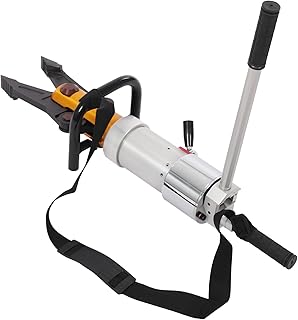
- Pneumatic and hydraulic tools (spreaders, cutters) are used by trained rescue teams.
- Techniques may include removing or bending the dashboard, cutting seat bolts, or removing steering wheels.
Special Rescue Situations
- Include confined space rescues (e.g., grain silos), trench collapses, high angle/rope rescues, water rescues, structural collapses, cave rescues, mountain rescues, SWAT medics, and more.
- These require specialized training, equipment, and coordination.
- EMTs should not attempt these rescues without proper training.
- Coordination with technical rescue teams and following the incident commander’s direction is essential.
Hazards in Rescue Situations
- Electrical hazards (downed power lines).
- Fire and explosion risks from fuel or damaged batteries.
- Environmental hazards (weather, terrain).
- Unstable vehicles or structures.
- Bystanders and family members potentially interfering.
Communication and Coordination
- Maintain constant communication with incident command and rescue teams.
- One person should be clearly in charge to avoid confusion.
- Establish safe staging areas for equipment and patient transfer.
- Plan for helicopter landing zones if needed.
Legal and Procedural Notes
- Ambulances must carry state-mandated rescue equipment, which varies by jurisdiction.
- Scene control may involve closing roads and directing traffic until law enforcement arrives.
- Documentation of scene findings and patient condition is critical for hospital handoff.
Detailed Methodology and Instructions
Preparation and Arrival
- Train regularly in extrication and rescue procedures.
- Check and stage tools and PPE before responding.
- Position ambulance to block the scene safely.
- Don full PPE before exiting the vehicle.
- Conduct 360-degree scene size-up: check for hazards, number of patients, vehicle condition.
- Request additional resources as needed (fire, police, hazmat, helicopter).
Scene Safety
- Avoid working near downed power lines; instruct patients to remain inside vehicles.
- Stabilize vehicle (parking brake, chocks, secure on all four tires).
- Firefighters to disconnect battery cables and control fire risks.
- Identify and control hazards such as fuel leaks, broken glass, unstable vehicles.
Gaining Access
- Attempt simple access first (open doors, roll down windows).
- If not possible, use complex access (breaking windows, cutting vehicle parts).
- Coordinate with rescue team for use of hydraulic/pneumatic tools.
- Protect patient from glass and debris during access.
Patient Care During Extrication
- Perform primary assessment and emergency care inside vehicle if possible.
- Control hemorrhage and maintain airway.
- Provide oxygen and ventilation support as needed.
- Stabilize cervical spine and use backboards for immobilization.
- Communicate clearly and calmly with patient.
- Monitor patient condition continuously and adjust extrication urgency accordingly.
Patient Removal
- Move patient in slow, controlled, continuous steps.
- Minimize patient manipulation and maintain spinal alignment.
- One team leader directs the movement.
- Transfer patient to stretcher or backboard and prepare for transport.
Termination
- Rescue teams clean and check tools.
- Ambulance crew cleans and restocks equipment.
- Complete detailed reports documenting the incident and patient care.
Special Rescue Situations
- Identify type of rescue needed (e.g., confined space, trench, high angle).
- Wait for specialized rescue teams if untrained.
- Provide psychological support to family members.
- Coordinate with incident command and follow established protocols.
Quiz/Scenario Highlights
- Do not attempt to move or touch downed power lines; wait for power shutoff.
- Breaking a window to gain patient access is considered complex access.
- Perform primary assessment and emergency care before extrication.
- Move critically injured patients smoothly and slowly to protect spinal integrity.
- Grain bin entrapment requires confined space rescue teams.
- Park ambulance at least 500 feet from trench collapse to avoid vibrations causing further collapse.
Speakers and Sources Featured
- Primary Speaker: EMT instructor or experienced firefighter/EMT (unnamed)
- References to:
- Fire department/rescue teams
- Law enforcement personnel
- Incident commanders
- SWAT medics (speaker identifies as ex-squad officer from Wisconsin)
- Federal Emergency Management Agency (FEMA) and other regional/state rescue teams
Overall, this chapter stresses the importance of specialized training, teamwork, patient safety, and scene safety during vehicle extrication and special rescue operations. EMTs play a vital role in patient care but must rely on trained rescue personnel for technical extrication tasks.
Category
Educational
Share this summary


Featured Products




Is the summary off?
If you think the summary is inaccurate, you can reprocess it with the latest model.