Summary of "La méthode imparable d’un champion du monde d’apnée"
Key Wellness Strategies, Self-Care Techniques, and Productivity Tips from the Freediving Method
Relaxation and Nervous System Calming
The foundation of effective freediving is to stay calm and relaxed. Calming the nervous system reduces metabolism and oxygen consumption, which is crucial for breath-holding. This relaxation technique can also be applied daily to manage stress, anxiety, and improve sleep quality.
Breathing Methodology
Use a specific breathing technique before breath-holding to maximize air volume and optimize oxygen intake:
- Inflate the stomach first, then the upper lungs to maximize air volume (fuel for apnea).
- Equalize the duration of inhalation and exhalation (e.g., 5 seconds each) to optimize oxygen intake and CO2 tolerance.
Proper breathing increases apnea time significantly, even for beginners.
Progressive Breath-Hold Training
- Start with dry breath-holding exercises outside the water to build capacity and confidence.
- Gradually increase breath-hold times, aiming for longer durations (e.g., from ~1.5 minutes to 4-5 minutes with practice).
- Perform multiple breath holds in a session to improve endurance.
Safety and Supervision
- Never freedive alone; always have a qualified safety buddy or instructor monitoring you.
- Use a buoy as an anchor point for rest, safety signaling, and as a descent reference.
- Be aware of medical conditions and get a medical check-up before practicing freediving, similar to other sports.
- Learn and respect the body’s signals, especially ear pressure and pain — never push beyond pain thresholds during equalization.
Equalization Technique
- Compensate ear pressure regularly during descent (approximately every 1–1.5 meters).
- Keep the head straight and eyes fixed on the descent rope to facilitate equalization and reduce stress.
Gradual Water Adaptation
- Begin with shallow dives (2–3 meters) before progressing to deeper depths.
- Recognize that water pressure increases discomfort and urge to breathe, but the body adapts with practice.
- Descend calmly to conserve energy and maintain relaxation.
Mental Approach
- Adopt a “warrior mode” mindset to push through the urge to breathe during apnea.
- Embrace the euphoric and relaxed state post-apnea as a positive feedback loop to improve performance.
Training and Community
- Join local freediving clubs to continue learning safely with expert guidance.
- Freediving is now accessible to everyone, not just elite athletes.
- Certified instructors provide essential supervision and safety support.
Presenters / Sources
- Arthur Guérin-Boëri – World Freediving Champion and instructor
- Florian Debruit – Video presenter and beginner freediver
Category
Wellness and Self-Improvement
Share this summary


Featured Products

How to Hold Your Breath for 3 Minutes in 7 Days: A 7-Day Training Guide That Will Introduce You To The Benefits of Breath Hold Training (Breath Hold Training Guides Book 1)
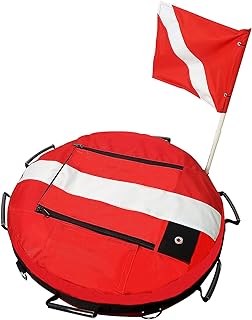
Luwint Hi-Vi Inflatable Dive Float Buoy and 5ft Surface Marker Buoy

All Dives Matter: Detailed Scuba Dive Log Book For Up To 120 Dives I Dive Officer Freediving Sport Gift for Scuba Certification Instructor Dive Master ... Diary Dive Deep Sea I Size 6 x 9 I 120 Pages
Is the summary off?
If you think the summary is inaccurate, you can reprocess it with the latest model.
Preparing reprocess...