Summary of "Why You Can't Accept Love From Anyone"
Key Wellness Strategies, Self-Care Techniques, and Productivity Tips from Why You Can’t Accept Love From Anyone
Understanding the Root of Low Self-Worth and Difficulty Accepting Love
- Childhood experiences such as bullying and lack of explicit parental love can create a deep-seated belief of being unlovable.
- These early experiences form an identity or sense of self that carries emotional baggage into adult relationships.
- Feelings of guilt or suspicion toward genuine affection are often echoes of past trauma, not reflections of the current relationship.
Recognizing Emotional Baggage and Differentiating Past from Present
- When feeling undeserving of love or suspicious of compliments, pause and ask yourself if this feeling is from the present interaction or a reactivation of old wounds.
- Mindfully observe and let go of old feelings that resurface, allowing yourself to engage more fully in healthy relationships.
The Importance of Accepting Love and Gratitude
- Accepting compliments or kindness is not just for you but also a gift to the giver; it allows them to express care and gratitude.
- Practice saying “thank you” genuinely, which helps strengthen bonds and lets others feel valued.
- Accepting kindness can be a “Band-Aid” strategy that gradually helps shift internal beliefs about deserving love.
Avoiding Negative Cycles of Trauma Mastery
- Be aware of the psychological pattern where victims of abuse or bullying may become abusers themselves as a way to reclaim power.
- Recognize this pattern but understand it’s not inevitable and doesn’t apply to all situations.
Caution Against Premature or Inaccurate Labeling
- Avoid hastily labeling yourself or your experiences (e.g., “asexual” after a bad sexual experience) without thorough understanding.
- Be cautious with terms like “gaslighting” as they can be misused and shut down healthy communication.
- Understand that relationships and human interactions are complex and multi-faceted; avoid oversimplifying or rigidly categorizing behaviors.
Managing Relationship Expectations and Conflict
- Relationships are inherently complex and sometimes confusing; it’s normal to feel conflicted.
- Instead of seeking “drama-free” relationships, focus on developing conflict resolution skills.
- Choose partners or friends who can engage in healthy conflict resolution rather than avoiding conflict altogether.
- Being “drama-resistant” through good communication and problem-solving is more realistic and sustainable than expecting no drama.
Practical Tips to Implement
- When receiving compliments or gifts, consciously accept them to allow others to express kindness.
- Reflect on whether your negative feelings in relationships stem from current realities or past experiences.
- Develop self-awareness about your identity and how past trauma shapes your perceptions.
- Avoid quick judgments or labeling of yourself and others; seek nuanced understanding.
- Work on conflict resolution skills rather than avoiding conflicts to reduce “drama” in relationships.
- Be compassionate toward yourself as you navigate healing and building healthier relational patterns.
Presenter / Source
- Dr. K (therapist and speaker featured in the video)
Category
Wellness and Self-Improvement
Share this summary


Featured Products

A Year of Self-Care: Daily Practices and Inspiration for Caring for Yourself (A Year of Daily Reflections)
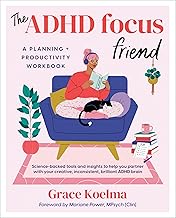
The ADHD Focus Friend: A Planning + Productivity Workbook

AI Conflict Resolution Course: Use AI to develop skills to resolve conflicts in personal and professional settings

How to Heal Yourself Oracle Deck: A Guided Journey to Release Emotional Baggage and Become Your Healthiest, Happiest Self

Self-Love Workbook for Women: Release Self-Doubt, Build Self-Compassion, and Embrace Who You Are (Self-Love for Women)
Is the summary off?
If you think the summary is inaccurate, you can reprocess it with the latest model.
Preparing reprocess...