Summary of "Video 5 NA: How do different parts of the ICF work together?"
Summary of Video 5 NA: How do different parts of the ICF work together?
This video explains how the different components of the International Classification of Functioning, Disability and Health (ICF) interact and influence each other through a practical example involving two children, Paul and Sarah, who both have cerebral palsy.
Main Ideas and Concepts
- The ICF framework includes multiple components that describe health and functioning:
- Body functions and structures (impairments)
- Activities
- Participation
- Environmental factors
- Personal factors
- Understanding how these components relate helps in managing health and promoting development effectively.
Example Case: Paul and Sarah with Cerebral Palsy
-
Similarities: Both Paul and Sarah have cerebral palsy, are enthusiastic, curious, and enjoy playing.
-
Impairments: Both have leg muscle weakness making walking difficult. Sarah also has brain impairment affecting her speech.
-
Personal Factors: Their families show proactive health-seeking behavior and optimism.
-
Activity Limitations & Participation:
- Paul can walk using a walker.
- Sarah needs a motorized wheelchair for mobility.
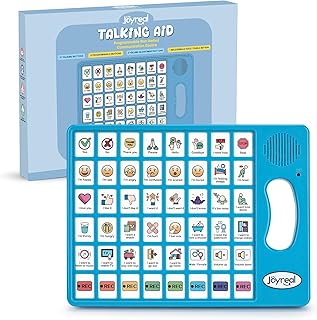
- Sarah uses a computer talker to communicate.
- Both children participate in school activities like coloring, crafts, and play.
-
Environmental Factors:
- Accessibility of the community and transportation.
- Supportive attitudes of people in the school and community.
-
Benefits of Participation:
- School provides opportunities for social interaction, friendship, and communication skill development.
- Participation helps improve muscle strength and balance through practice.
-
Interventions:
- Use of assistive technologies (walker, wheelchair, computer talker).
- Therapies to strengthen muscles and improve balance.
-
Outcome: The combined effect of therapy, technology, and participation in school leads to improved development and independence. The ICF framework shows that health management is not only about therapy but also about enabling participation and modifying environments.
Lessons
- The ICF components are interconnected; addressing one area influences others.
- Tailored interventions based on individual needs and abilities promote better health outcomes.
- Enabling participation in everyday life situations (like school) is crucial for child development.
- Environmental and personal factors play a significant role in health and functioning.
Speakers/Sources
- Doctor (main speaker explaining the ICF concepts and example)
- Families of Paul and Sarah (mentioned as examples of personal factors)
No other speakers are explicitly identified in the subtitles.
Category
Educational
Share this summary


Featured Products




Is the summary off?
If you think the summary is inaccurate, you can reprocess it with the latest model.