Summary of "Chapter 37 Patients With Special Challenges"
Summary of “Chapter 37: Patients With Special Challenges”
This video lecture provides a comprehensive overview of healthcare considerations and emergency medical services (EMS) approaches for patients with various special challenges. It emphasizes understanding the unique needs, communication methods, and medical complexities involved in treating these populations, while maintaining core EMS principles such as airway, breathing, and circulation (ABCs).
Main Ideas and Concepts
Overview of Special Needs Patients
- Includes homeless, impoverished, bariatric, technologically dependent, hospice/terminally ill, tracheostomy care, sensory deficits (visual/hearing impairment), developmental disabilities, and geriatric patients.
- Advances in technology and medicine allow many chronic and complex patients to be cared for at home.
Core EMS Principles
- Despite special challenges, patient assessment and treatment protocols remain consistent.
- Focus on ABCs and patient assessment does not change.
Developmental and Intellectual Disabilities
- Intellectual disability is a subset of developmental disability, characterized by limitations in intellectual functioning and daily living skills.
- Causes include genetic factors, congenital infections, malnutrition, fetal alcohol syndrome, brain injuries, poisoning.
- Family and caregivers are essential sources of patient information.
- Patients may struggle with changes in routine and communication.
Autism Spectrum Disorder
- Characterized by social communication deficits and repetitive behaviors.
- Patients may have abnormal sensory responses (e.g., insensitivity or hypersensitivity to pain, noise).
- EMS should minimize sensory stimulation, use simple language, and allow extra time for communication.
Down Syndrome
- Chromosomal defect causing intellectual impairment and physical features such as round head, flat occiput, large tongue, and slanted eyes.
- Increased risk of leukemia, heart defects, and atlanto-axial joint instability (~15%).
- Intubation and ventilation may be difficult due to airway anatomy.
- Seizure management follows standard protocols.
Patient Interaction Tips
- Approach calmly and at eye level.
- Introduce team members by first name.
- Explain procedures clearly.
- Understand baseline behavior from family or caregivers.
Sensory Deficits
Visual Impairment
- Ranges from partial vision loss to blindness.
- Introduce yourself, describe surroundings, handle visual aids carefully, and guide patient gently.
Hearing Impairment
- Common in elderly patients.
- Face the patient, use a lower pitch voice, and avoid shouting.
- Use communication aids like writing or sign language.
- Hearing aids may not always function properly.
Cerebral Palsy
- Caused by brain damage before or during birth.
- Characterized by poor motor control, posture issues, and possible sensory impairments.
- Airway management and seizure readiness are important.
- Avoid forcibly repositioning limbs.
Spina Bifida
- Congenital spinal cord defect with possible paralysis, hydrocephalus (fluid buildup), and bowel/bladder dysfunction.
- Patients may have shunts to drain brain fluid.
Paralysis and Specialized Equipment
- Causes include stroke, trauma, and birth defects.
- Patients may use ventilators, catheters, tracheostomy tubes, and feeding tubes.
- Swallowing difficulties require suction readiness.
Obesity (Bariatrics)
- Defined as 30% or more over ideal body weight; severe obesity is 2-3 times over.
- Associated with mobility issues, diabetes, hypertension, and heart disease.
- Plan for extra help and specialized equipment.
- Avoid lifting by limbs; coordinate moves carefully.
- Treat patients with dignity and respect.
Tracheostomy Care
- Tube inserted into trachea bypassing mouth and nose.
- Prone to mucus obstruction; suctioning may be needed.
- Use the DOPE mnemonic to troubleshoot:
- Displacement
- Obstruction
- Pneumothorax
- Equipment failure
- Maintain airway, provide oxygen, and transport promptly.
Home Oxygen and Ventilators
- Oxygen delivered via cylinders or concentrators (which require electricity).
- Know baseline oxygen requirements.
- Mechanical ventilators breathe for patients with respiratory failure.
- If ventilator fails, bag the patient via tracheostomy or mask over stoma.
Apnea Monitors
- Used for infants at risk of breathing cessation.
- Alarm triggers if breathing slows or stops.
Cardiac Devices
- Pacemakers regulate heart rate.
- Internal defibrillators shock abnormal rhythms.
- Left Ventricular Assist Devices (LVAD) mechanically circulate blood; patients may lack pulse or measurable blood pressure.
- External defibrillator vests may be worn.
Central Venous Catheters
- Long-term IV access for medications or blood draws.
- Risk of infection or line damage; maintain sterility.
Feeding Tubes (Gastrostomy Tubes)
- Surgically placed for feeding when oral intake is not possible.
- Risk of dislodgement, bleeding, and aspiration.
- Transport with head elevated on right side if breathing difficulty occurs.
Shunts (Ventriculoperitoneal or Ventriculoatrial)
- Drain excess cerebrospinal fluid.
- Risk of blockage or infection causing increased intracranial pressure.
- Signs include headache, vomiting, altered mental status, and bulging fontanels in infants.
Vagus Nerve Stimulators
- Implanted devices to reduce seizures not controlled by medication.
- Size of a silver dollar, implanted under the skin.
Colostomies, Ileostomies, Urostomies
- Surgical openings for waste elimination.
- EMS should be called for dehydration, infection, or complications.
Home Care and Hospice
- Range from non-medical services to end-of-life care.
- Hospice patients often have Do Not Resuscitate (DNR) orders and specific medical directives.
- EMS should follow protocols, respect patient wishes, and bring all paperwork to the hospital.
- Compassion and sensitivity are essential.
Poverty and Homelessness
- Lack of access to preventive care.
- May have mental health issues, addiction, and trauma.
- EMS role is to provide unbiased care and connect patients to social resources.
Methodology / Key Instructions for EMS Providers
General Approach
- Focus on ABCs and standard assessment.
- Use calm, clear communication tailored to the patient’s needs.
- Establish rapport and explain procedures.
- Involve family or caregivers for baseline information.
- Respect patient dignity and privacy.
Special Equipment and Devices
- Familiarize with common devices such as tracheostomy tubes, feeding tubes, pacemakers, and LVADs.
- Use the DOPE mnemonic for tracheostomy troubleshooting.
- Prepare suction equipment and be ready for seizures.
- Know how to manage home ventilators and oxygen devices.
- Coordinate with caregivers for device operation.
Handling Mobility and Bariatric Patients
- Plan for adequate personnel and equipment.
- Avoid unsafe lifting techniques.
- Communicate and coordinate moves clearly.
- Protect pressure points to avoid clots.
Communication with Sensory-Impaired Patients
- Visual impairment: describe environment and guide gently.
- Hearing impairment: face patient, use lower pitch, consider sign language or writing.
End-of-Life Care
- Understand legal documents such as DNR and POLST.
- Provide comfort care within protocols.
- Support family and respect patient wishes.
Legal and Ethical Considerations
- Treat all patients regardless of ability to pay (EMTALA compliance).
- Advocate for patient access to social services.
- Avoid judgment; focus on care.
Quiz Highlights (Sample Questions Covered)
- Autism is characterized by impaired social interaction.
- Increased maternal age is a risk factor for Down syndrome.
- Intubation may be difficult in Down syndrome due to airway anatomy.
- Spina bifida patients often have hydrocephalus requiring shunts.
- DOPE mnemonic helps troubleshoot airway obstruction in tracheostomy patients.
- Gastrostomy tubes are for feeding patients who cannot eat by mouth.
- Vagus nerve stimulators help control seizures.
- Interaction with caregivers is crucial for assessing special needs patients.
- Hospice and comfort care improve quality of life near death.
- EMTALA requires treatment regardless of patient’s ability to pay.
Speakers / Sources
- Primary speaker: John (presumably an EMS educator or paramedic) from Jacksonville.
- No other speakers explicitly identified.
This summary encapsulates the detailed content and practical guidance presented in the video on managing patients with special challenges in EMS and healthcare settings.
Category
Educational
Share this summary


Featured Products

Dukal - 15200 Trach Care Kit, Sterile (Pack of 20)

Medline Gastrostomy Tube, 3-Port Slip Luer Lock, 24 Fr, Rounded Tip, Adjustable Skin Disk, Medical-Grade Silicone, White, Box of 1 Each

4 Pack Pacemaker Incision Protector Post Surgery Bra Strap Pad Chest Cushion to Prevent Wound Rubbing for Heart Surgery Recovery Support Pad for Bra Straps Chest Port Cushion Support White

Oxygen Concentrator,1-8L Adjustable Oxygen Concentrator Machine for Home Use Continuous Oxygen Generator with Complete Accessories,Low Noise
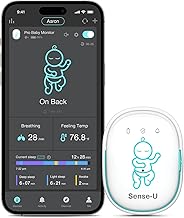
Sense-U Pro Baby Monitor – Breathing Movement, Rollover & Overheating Trackers for Better Sleep, Simple Clip-On Smart Sleep Monitor with Arousal Vibration, Audible Alerts & Sleep Analysis
Is the summary off?
If you think the summary is inaccurate, you can reprocess it with the latest model.
Preparing reprocess...