Summary of "Eficácia dos Óleos Essenciais para a Saúde Intestinal - Dr. Marcelo Hidalgo, dsm-firmenich"
Summary of Key Wellness Strategies, Self-Care Techniques, and Productivity Tips
1. Holistic Approach to Intestinal Health and Essential Oils Use
- Proper diagnosis is crucial before implementing any essential oil or biotic program.
- Consider all factors affecting intestinal health, including enzyme activity in food, sanitary conditions, and management practices.
- Intestinal health management is complex and requires a comprehensive program rather than isolated treatments.
- Timing and readiness of the operation (farm/company) are key to success; some situations require resolving underlying issues before biotic use.
2. Essential Oils as Alternatives to Antibiotic Promoters
- Essential oils have antimicrobial and antifungal properties, primarily by destabilizing bacterial membranes.
- They can be combined with organic acids or probiotics for a broader spectrum of action.
- Essential oils do not select for resistant strains, making rotation strategies effective to maintain long-term efficacy.
- They support microbiome diversity better than antibiotic promoters, which tend to reduce flora diversity and lead to dependency.
- Use of essential oils should be tailored to specific microbial challenges (e.g., Clostridium, Salmonella).
3. Designing Effective Biotic Programs
- Understand the multiple functions of antibiotic promoters (immunomodulation, microbiota regulation, etc.) and recognize that single biotics may not replace all these functions.
- Use combinations of essential oils and other biotics (acids, probiotics) for more comprehensive control.
- Evaluate field conditions carefully: clean farms may not show benefits from essential oils, while high-challenge environments require more robust interventions.
- Consider economic return on investment and timing (6 months to 1 year for results).
4. Impact of Essential Oils on Gut Function and Nutrition
- Some essential oils stimulate endogenous enzyme production (e.g., amylase), improving feed conversion and nutrient absorption.
- Essential oils can reduce mucin production and endogenous protein/amino acid expenditure, leading to better nutrient retention and healthier animals.
- Improved gut health translates into better feed efficiency and competitive production costs.
5. Importance of Diagnosis and Data Collection
- Collect detailed data on sanitary conditions, ingredient quality (e.g., soy polysaccharide content), and microbial challenges.
- Use autopsy and microbiological analysis to determine when and where essential oils or other biotics will be most effective.
- Diagnosis guides the timing and selection of biotic strategies, avoiding wasted resources.
6. Strategies for Enzyme Use in Nutrition
- Proteases improve digestibility and reduce antinutritional factors, especially important for complex ingredients like soy.
- Use broad-spectrum enzyme blends to tackle diverse polysaccharides in feed ingredients.
- Enzymes help reduce production variability and improve ingredient utilization.
7. Rotation and Seasonal Considerations
- Rotate essential oils based on challenge severity, which may vary by season or farm conditions.
- Use essential oils more intensively when intestinal challenges and mortality are highest.
- Different farm units (new, old, refurbished) have varying sanitary conditions affecting strategy success.
Key Takeaways
- Always start with a thorough diagnosis before biotic or essential oil use.
- Essential oils disrupt bacterial membranes and enhance the effect of organic acids.
- Combine essential oils with other biotics for broader antimicrobial coverage.
- Essential oils preserve microbiome diversity better than antibiotics.
- Rotation of essential oils prevents resistance development.
- Essential oils can stimulate endogenous enzymes and improve nutrient absorption.
- Economic ROI and timing (6–12 months) are critical for program success.
- Data on feed ingredient variability and farm conditions is essential for strategy design.
- Proteases and enzyme blends improve digestibility of complex feed components.
- Adjust essential oil use seasonally and according to farm challenge levels.
Presenters / Sources
- Dr. Marcelo Hidalgo (DSM-Firmenich)
- Eduardo (referenced speaker)
- Maria (questioner during Q&A)
- Cris (referenced in discussion about probiotics)
Category
Wellness and Self-Improvement
Share this summary


Featured Products

Plant Therapy Gut Aid Essential Oil Blend Roll-On 10 mL (1/3 oz) 100% Pure, Pre-Diluted Roll-On, Natural Aromatherapy

Nature's Bounty Acidophilus Probiotic, Daily Probiotic Supplement, Digestive Health, 200 Tablets, Twin Pack
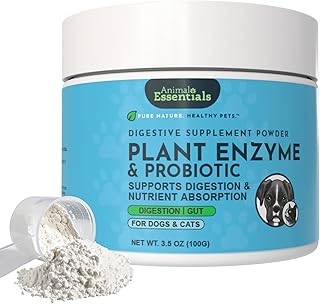
Animal Essentials Plant Enzyme & Probiotics for Dogs & Cats - Digestive Enzymes for Dogs, Probiotic Powder, Digestive Supplement, No Preservatives, Veterinarian Recommended - 3.5 Oz

NOW Supplements, Pancreatin 10X 200 mg with naturally occurring Protease (Protein Digesting), Amylase (Carbohydrate Digesting), and Lipase (Fat Digesting) Enzymes, 100 Capsules

Fresh Eggs Daily Coop Kelp Organic Feed Supplement Vitamins for Backyard Chickens and Ducks 7LB
Is the summary off?
If you think the summary is inaccurate, you can reprocess it with the latest model.
Preparing reprocess...