Summary of "Enfermería U2 C3 2"
Summary of “Enfermería U2 C3 2” Video
This nursing course video from Dutin Academy focuses on healthcare waste management, emphasizing the importance of proper classification, handling, and disposal of waste generated in clinical environments to ensure worker safety, environmental protection, and infection prevention.
Main Ideas and Concepts
Healthcare Waste Management is crucial for:
- Protecting healthcare workers.
- Preventing environmental harm.
- Promoting a culture of prevention in healthcare settings.
Classification of Healthcare Waste Waste is grouped based on similar characteristics and exposure risks to facilitate safe storage, handling, and disposal by specialized personnel.
Waste is primarily divided into two categories:
- Non-hazardous waste
- Hazardous waste
Use of Color-Coded Containers for effective segregation:
Waste Type Description Container Color Examples Non-Hazardous Waste Organic recyclable (biodegradable) Easily decomposable natural or chemical remains Green Food scraps, vegetables, agricultural waste Recyclable waste Non-decomposable materials reused as raw materials White Plastic, cardboard, glass, paper, metals Ordinary or inert waste Non-decomposable, slow to degrade Black Toilet paper, used napkins, soiled paper Hazardous Waste Biosanitary waste Items contaminated with organic matter or bodily fluids Red Gauze, dressings, gloves, catheters, bandages Pathological anatomopathological Human remains, body parts, fluids from pathological cases Red with exclusive labeling Amputations, analysis samples, human remains Radioactive waste Materials emitting radiation (alpha, beta, photons) Purple (mostly) Radioactive sources, labeled radioactive waste Sharps waste Sharp or cutting objects causing percutaneous injury risk Red (special sharps container or “Guardian”) Needles, scalpel blades, uncapped syringes Cytotoxic waste (mentioned) Surplus oncological drugs and related materials Hazardous waste containers Syringes, gloves, bottles, gowns used in chemo Reagents Chemicals generating toxic reactions or gases Special containers Lab liquids, contrast media, diagnostic reagentsSafety Measures
- Use of personal protective equipment (PPE), especially gloves.
- Hand hygiene protocols at critical moments (before patient contact, after exposure to fluids, etc.).
- Proper handling and disposal to prevent biological agent transmission.
Methodology / Instructions for Waste Classification and Disposal
-
Identify the waste type based on its origin and risk:
- Is it organic and biodegradable? Use green container.
- Is it recyclable but non-biodegradable? Use white container.
- Is it ordinary inert waste? Use black container.
- Is it contaminated with biological fluids or infectious? Use red container.
- Is it radioactive? Use purple-labeled container.
- Is it sharps? Use special red sharps container (“Guardian”).
-
Segregate waste at the point of generation using the correct container.
-
Label hazardous waste containers clearly, especially for pathological and radioactive waste.
-
Follow hygiene and protective measures when handling waste.
Interactive Learning / Case Studies
-
Example case with “Julieta,” a nursing student, practicing classification:
- Vials and medication ampoules → White container (recyclable).
- Beverage containers with metallic paper → Black container (ordinary/inert).
- Cotton swabs, bandages, gloves → Red container (biosanitary hazardous).
- Needles and syringes → Red sharps container (“Guardian”).
-
Another exercise asks to classify:
- Scalpel blades
- Sample for analysis
- Blood transfusion bags
- Venous catheters
(Expected to use hazardous or sharps containers as appropriate.)
Speakers / Sources Featured
- Narrator / Instructor: Provides explanations, instructions, and case studies throughout the video.
This video serves as a comprehensive guide for nursing students on how to safely and effectively manage healthcare waste by understanding classification, container use, and safety protocols.
Category
Educational
Share this summary


Featured Products


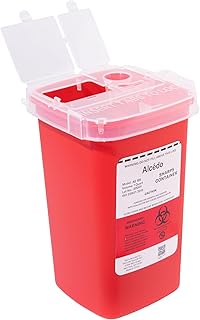

Is the summary off?
If you think the summary is inaccurate, you can reprocess it with the latest model.