Summary of "CCH Session 3 - Iron Deficiency Anemia, 4th June'23 IAP Delhi, Certificate Course Hematology"
Summary of “CCH Session 3 - Iron Deficiency Anemia, 4th June 2023
IAP Delhi, Certificate Course Hematology”
Main Topics Covered
- Overview of iron deficiency anemia (IDA) as the most common anemia globally and in India.
- Epidemiology and national programs addressing anemia in India.
- Causes and risk factors of iron deficiency anemia.
- Clinical features and diagnosis of IDA.
- Specific clinical manifestations linked to iron deficiency (e.g., breath-holding spells, pica, thrombosis).
- Cognitive and developmental impact of iron deficiency, especially in children under two years.
- Laboratory diagnosis and interpretation of tests for IDA.
- Treatment guidelines including dosing, duration, and formulation of iron therapy.
- Management of non-responders to oral iron therapy.
- Role and indications for parenteral iron therapy.
- Prevention strategies and national recommendations for screening and supplementation.
- Q&A session addressing practical clinical concerns and clarifications.
Detailed Outline of Key Concepts and Lessons
1. Introduction and Epidemiology
- Iron deficiency anemia is the most common anemia worldwide and in India.
- Despite decades of national programs (from 1970 to Anemia Mukt Bharat 2018), anemia prevalence remains high.
- NFHS-5 survey (2019-21) shows an increase in anemia prevalence among children under five years (67%).
- Nutritional causes, especially iron deficiency, account for the majority of anemia cases in children and adolescents.
- Iron deficiency is most common in children under five; folate and B12 deficiencies increase in older children and adolescents.
2. Causes of Iron Deficiency Anemia
- Dietary deficiency: poverty, undernutrition, cultural practices, excessive animal milk intake.
- Increased requirements: preterm/low birth weight infants, adolescents during growth spurts.
- Blood loss: gastrointestinal diseases, hemangiomas, cow’s milk protein intolerance.
- Parasitic infections and worm infestations: remain significant in India.
- Poor absorption: diarrhea, celiac disease.
- Genetic causes: Iron-Refractory Iron Deficiency Anemia (IRIDA).
3. Clinical Features and Assessment
- Often noticed during routine visits or other illnesses.
- Gradual onset with symptoms such as pallor, irritability, anorexia.
- Severe anemia may cause cardio-respiratory symptoms (dyspnea, tachypnea).
- Specific features linked to iron deficiency:
- Breath-holding spells: Strongly associated; iron therapy reduces frequency.
- Pica: Eating non-food substances is a consequence, not cause, of iron deficiency.
- Koilonychia (spoon nails): Increased risk in iron-deficient children.
- Thrombosis: Linked to arterial ischemic stroke, retinal vein occlusion, venous sinus thrombosis.
- Cognitive and developmental delays, especially irreversible if iron deficiency occurs under 2 years of age.
- Physical exam may show pallor, sometimes koilonychia; clubbing is rare but may suggest celiac disease.
4. Diagnosis
- Initial suspicion based on history, clinical features, and CBC showing microcytic hypochromic anemia.
- Key laboratory tests:
- Serum ferritin: Primary test; <12 ng/ml (under 5 years), <15 ng/ml (over 5 years) indicates deficiency; <30 ng/ml cutoff if inflammation present.
- Transferrin saturation: <16% suggests iron deficiency.
- Reticulocyte hemoglobin content (CHr) and percentage of hypochromic red cells: Useful early indicators.
- Serum iron is not recommended due to variability.
- Diagnosis confirmed by response to iron therapy.
5. Treatment
- Oral iron therapy is first-line: safe, effective, economical.
- Recommended dose: 2-3 mg/kg elemental iron daily, continued for 2-3 months after hemoglobin normalizes.
- Single daily dose preferred for better absorption and compliance; evening dose after dinner improves GI tolerance.
- Common iron salts: ferrous sulfate, ferrous fumarate, ferrous gluconate.
- Avoid enteric-coated, sustained-release, or liposomal iron formulations due to poor absorption or lack of evidence.
- Dietary advice: reduce excessive milk intake, promote iron-rich complementary feeding, ensure dietary diversity.
- Follow-up at 7 days for severe anemia and 14 days for mild/moderate anemia to assess compliance and response.
- Monitor clinical improvement (appetite, well-being), reduction in pica and breath-holding spells, reticulocyte response.
6. Non-Response to Oral Iron
- Defined as <1 g/dL hemoglobin rise in 2 weeks (severe anemia) or 4 weeks (mild/moderate anemia).
- Evaluate:
- Compliance and correct dosing.
- Intercurrent illness/infections.
- Malabsorption causes (celiac disease, inflammatory bowel disease).
- Coexisting deficiencies (folate, B12).
- Ongoing blood loss.
- Other causes of microcytic anemia (beta-thalassemia trait).
- Differentiate iron deficiency anemia from anemia of chronic disease using labs (serum iron, ferritin, transferrin saturation, soluble transferrin receptor, hepcidin).
7. Parenteral Iron Therapy
- Rarely used in children; indications include:
- Poor oral iron tolerance or absorption.
- Need for rapid hemoglobin correction (preoperative).
- Ongoing blood loss exceeding oral iron capacity.
- Genetic iron refractory anemia (IRIDA).
- Chronic kidney disease or inflammatory states.
- Preparations available: iron sucrose, ferric carboxymaltose, ferric derisomaltose.
- Dose calculation based on hemoglobin deficit and iron stores.
- Premedication required in patients with asthma or inflammatory arthritis.
8. Prevention
- Screening all children for anemia at 9-12 months (e.g., during immunization visits).
- Iron supplementation for preterm/low birth weight infants starting 2-4 weeks of age until 12 months.
- Promote exclusive breastfeeding for 6 months and appropriate complementary feeding thereafter.
- Attach children treated for IDA to national anemia control programs for ongoing supplementation.
- Counsel families on dietary modifications and compliance.
Methodology / Recommendations for Management of Iron Deficiency Anemia
- Diagnosis:
- Screen children clinically and with CBC.
- Use serum ferritin as first-line test.
- Confirm diagnosis by response to iron therapy.
- Treatment:
- Oral iron 2-3 mg/kg elemental iron once daily.
- Continue therapy for 2-3 months after normalization of hemoglobin.
- Avoid enteric-coated or liposomal iron.
- Provide dietary counseling to reduce milk intake and improve iron-rich food consumption.
- Follow-up:
- Review at 7 days (severe anemia) or 14 days (mild/moderate).
- Monitor compliance, side effects, and clinical improvement.
- Non-responders:
- Assess compliance, dosing, absorption issues, coexisting deficiencies.
- Investigate for other causes like hemoglobinopathies.
- Parenteral iron:
- Reserved for specific indications.
- Dose calculated based on deficit and stores.
- Prevention:
- Screen at 9-12 months.
- Supplement preterm/low birth weight infants early.
- Promote exclusive breastfeeding and complementary feeding.
- Link to anemia control programs.
Key Clinical Pearls
- Breath-holding spells and pica are important clinical clues to iron deficiency.
- Cognitive damage from iron deficiency in children under 2 years may be irreversible.
- Serum iron is unreliable for diagnosis; ferritin and transferrin saturation are preferred.
- Single daily dose oral iron is better absorbed and tolerated.
- Iron therapy must continue after hemoglobin normalization to replenish stores.
- Non-response to iron requires thorough evaluation.
- Parenteral iron is rarely needed in pediatric practice.
- National anemia control programs remain critical for prevention.
Speakers / Sources Featured
- Dr. Jagdish Chandra – Professor of Pediatrics, ESIC Medical College and Hospital, Faridabad; former Director and Head of Department, Lady Hardinge Medical College.
- Moderators/Organizers: Dr. Ajay, Dr. Vipul.
- Other contributors referenced in Q&A: Dr. Puja (possibly Dr. Puja Divine), Dr. Rahul, Dr. Sangeet, Dr. Naresh, Dr. Manta, Dr. Pradeep, Dr. Jay Prakash.
This summary captures the core content, clinical insights, diagnostic and therapeutic recommendations, and expert opinions from the session on iron deficiency anemia.
Category
Educational
Share this summary


Featured Products
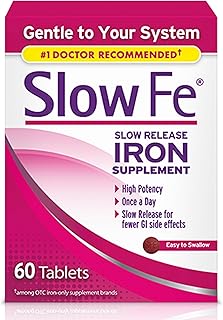
Slow Fe 45mg Iron Supplement for Iron Deficiency, Slow Release, High Potency, Easy to Swallow Tablets - 60 Count
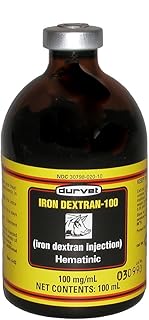
IVESCO LLC DURVET 2251030 Iron Dextran

Innovating Science - 2.0% Agarose (200mL) - Melt-and-Pour Gel for High-Resolution DNA Fragment Separation

The Iron Disorders Institute Guide to Anemia: Understanding the Causes, Symptoms, and Healing of Iron Deficiency and Other Anemias
Is the summary off?
If you think the summary is inaccurate, you can reprocess it with the latest model.
Preparing reprocess...