Summary of "Enfermería U2 C3 1"
Summary of “Enfermería U2 C3 1”
This video lesson from the Dutin Academy nursing course focuses on the classification and management of healthcare waste generated in hospitals and similar institutions. It emphasizes the importance of proper waste handling due to the risks associated with exposure to biological, chemical, and hazardous agents, which can affect both healthcare workers and patients.
Main Ideas and Concepts
-
Healthcare Waste Definition Waste generated from healthcare activities in solid, liquid, or gaseous form that poses biological or hazardous risks.
-
Importance of Classification Proper classification reduces the risk of infection and environmental harm, ensuring safety for healthcare workers and patients.
-
Waste vs. Pathogens vs. Hazardous Waste
- Waste: Any discarded material not reused in the main activity.
- Pathogens: Infectious agents capable of causing disease (e.g., antibiotic-resistant bacteria).
- Hazardous Waste: Waste with properties like toxicity, flammability, infectivity, or radioactivity that pose health or environmental risks.
Healthcare Waste Management Concepts
-
Sanitary Route The process of safely collecting, transporting, and disposing of healthcare waste using specific techniques and equipment.
-
Waste Classification in Healthcare Unlike general waste, healthcare waste is classified based on the risk of exposure to biological and hazardous agents, not by recyclability.
Detailed Classification of Healthcare Waste
Type 1: Non-hazardous Waste
- No special handling needed.
- Examples: cardboard, paper, packaging, waste from non-infectious patients.
Type 2: Potentially Infectious Waste (Internal Health Center Handling)
- Requires preventive handling measures.
- Examples: dressings, plasters, clothing, single-use items contaminated with blood or secretions.
Type 3: Infectious Waste (Requires Special Handling Inside and Outside Health Center)
- Can transmit infectious diseases.
- Includes:
- Anatomical waste: recognizable human remains.
- Blood and blood products: liquid biological fluids.
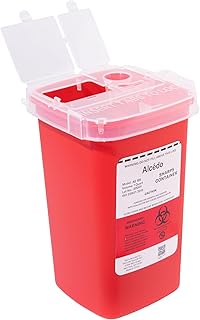
- Sharps: needles, scalpels, pipettes, glass tubes, slides.
- Live/attenuated vaccines.
Type 4: Chemical and Special Hazardous Waste
- Requires special hygienic and environmental management.
- Includes:
- Cytostatic waste (e.g., chemotherapy drug residues).
- Chemical-contaminated waste (batteries, solvents, expired medications).
- Radioactive waste.
- Human anatomical remains from surgeries or abortions.
Note: Types 2, 3, and 4 are also considered hazardous due to their potential risks.
Case Study and Application
Scenario: Nurse Andrés changes an intravenous fluid bag, generating various wastes.
Classification of Waste Generated:
- Type 1: Empty saline solution bag.
- Type 2: Gauze and gloves (potential contact with fluids).
- Type 3: Syringe (contact with venous access and classified as a sharp object).
Lessons and Reflections
Proper classification and separation of healthcare waste are crucial to:
- Minimize infection transmission risks.
- Protect healthcare workers and patients.
- Ensure safe and environmentally responsible waste disposal.
The video encourages learners to reflect on the importance of waste management in their clinical practice and to engage in discussions to deepen their understanding.
Speakers/Sources Featured
- Narrator/Instructor: Unnamed presenter from Dutin Academy nursing course.
- No other speakers explicitly identified.
This summary captures the core instructional content, classification methodology, and practical application of healthcare waste management as presented in the video.
Category
Educational
Share this summary


Featured Products



Is the summary off?
If you think the summary is inaccurate, you can reprocess it with the latest model.